
 CYPRUS
Specialties of the
Eastern Mediterranean
April 4 - 10, 2027
Contact [email protected] to reserve your space!
Trip Cost & Travel Planning> Registration Form>
Tour
Registration, Terms,
Cancellation Policies>
Read our exciting 2026 Trip Report>
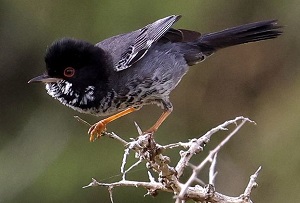
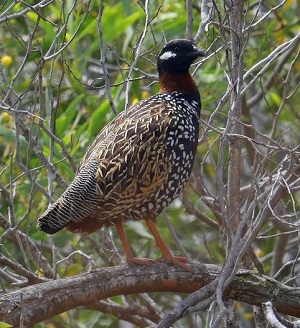
 Situated in the eastern Mediterranean, the island nation of Cyprus is fast becoming known as a fantastic birding destination boasting more than 420 species of birds. The island’s enviable bird list includes species that occur nowhere else in the world including Cyprus Scops-Owl, Cyprus Wheatear, and Cyprus Warbler, the island’s national bird. Add to that specialties like Black Francolin and a host of passage migrants traveling north over the island to their breeding grounds in early April and you have a fabulous tour complete with beautiful cultural and historical sites that offer great birding as well !
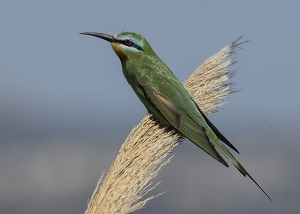
Our friend and local guide Stylianos Zannetos has put together this new 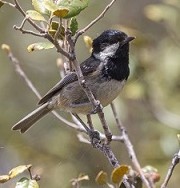 itinerary which explores the diverse habitats of Cyprus to seek out their avian inhabitants. You’ll marvel at picturesque valleys and rugged headlands, and we’ll bird saltpans, reservoirs, freshwater pools, and pine forests to see out the assortment of northern and eastern European migrants and special birds that Cyprus has to offer. We’ll also look for the unique butterflies, plants and orchids of Cyprus. This is an easy, two-center holiday with exceptional daily birding with waterfowl, waders, crakes, and passerines in our sights.
Our visit to Cyprus supports conservation efforts through wildlife tourism. Stylianos will help us understand programs aimed at protecting the birds and important habitats on his beloved island.
 ITINERARY
Day 1: Arrival & Introduction to Oroklini Marsh
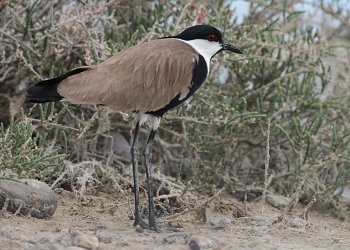
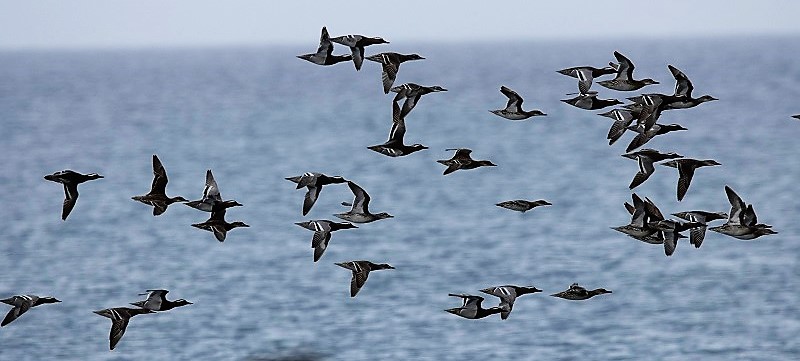
Upon arrival at Larnaca International Airport (LCA), we will transfer to our hotel situated directly next to Oroklini Marsh, located just 20 kilometers away. If time permits, we will take a late afternoon walk to the marsh for our first taste of spring migration in Cyprus. This vital wetland holds an impressive number of breeding pairs of Spur-winged Plovers and Black-winged Stilts. In recent years, both Red-crested Pochards and Ferruginous Ducks have established breeding grounds here. As evening approaches, we will also listen for the distinctive calls of Black Francolins echoing from the adjacent agricultural fields.
Day 2: Cape Greco Headlands & Coastal Sea Caves
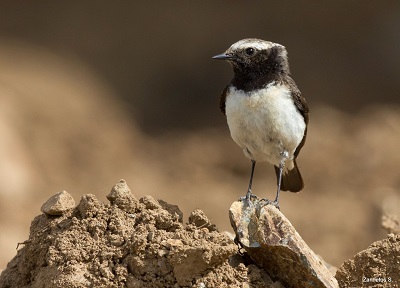 We begin our morning with a pre-breakfast visit to Oroklini Marsh in search of elusive Little Crakes. After breakfast, we travel to Cape Greco, a rugged headland in the southeastern corner of the island that serves as a legendary hotspot for spring migration. This peninsula is an essential staging ground for everything from birds of prey and herons to small passerines and gulls.
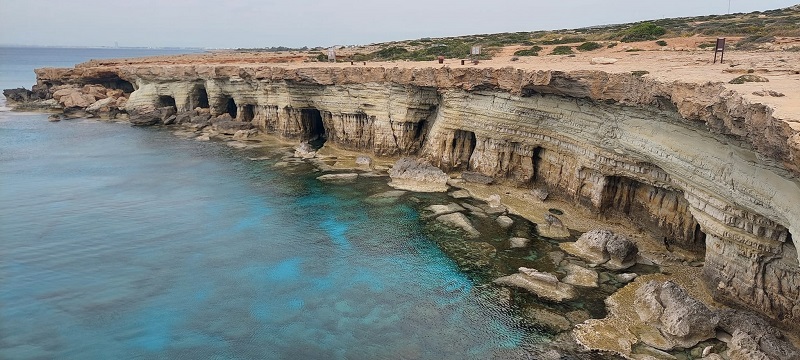
As we walk through the scrub vegetation, which provides vital cover for weary travelers, we will search for Cyprus’s unique endemic passerines: the Cyprus Warbler and Cyprus Wheatear. We will also keep an eye out for other important warblers of the region, including Rüppell’s, Sardinian, and Spectacled Warblers, while checking the shoreline for rare Audouin’s Gulls. Our route takes us past breathtaking sea caves, a key breeding area for the critically endangered Mediterranean Monk Seal. Though the seals are exceptionally difficult to spot, the surrounding rocky habitat offers excellent chances for various larks and wheatears before we head back to the hotel.
 Day 3: Akrotiri Peninsula, Kensington Cliffs & on to Paphos
Following breakfast, we will check out of our hotel and begin our journey westward to our new base in the Paphos area. En route, we will explore the bird-rich Akrotiri peninsula near Limassol. Our first stop will be Bishop's Pool, a beautifully hidden artificial wetland surrounded by trees that acts as a vital haven for resting herons, foraging warblers, and soaring raptors overhead.
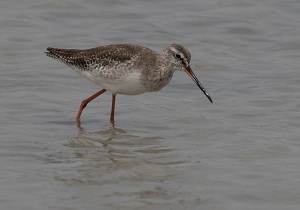
Next, we will head to Akrotiri Marsh (please note that access to the marsh is currently limited, but this could change in the following months). While at the marsh, we will search the muddy margins for feeding waders like Great Snipe, Spotted Redshank, and Temminck’s Stint, along with occasional flocks of Collared Pratincoles and terns. Springtime here is excellent for Little, Spotted, and Baillon’s Crakes, as well as a diverse mix of herons and egrets. The nearby grassy pastures regularly attract flocks of pipits and colorful Yellow Wagtails, while the skies above might yield Hoopoes, European Rollers, or migrating raptors like Red-footed Falcons, European Honey Buzzards, and Short-toed Snake Eagles. We will then drive along the "Lady’s Mile" coastal road—a stretch of scenic dunes and mudflats where Kentish Plovers feed.
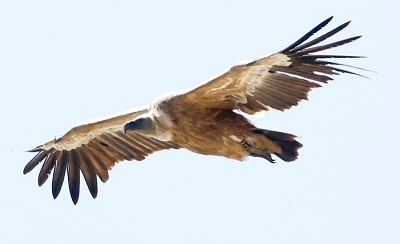 We will conclude our day's birding at the dramatic Kensington Cliffs overlooking Zapalo Bay near Episkopi village. These sheer, gleaming white cliffs plunge straight down into the Mediterranean, offering spectacular eye-level views of the avian action below and above. As we scan the coastal updrafts, we will look for soaring Alpine Swifts, Peregrine Falcons, and, with a bit of luck, some of the island's few remaining Griffon Vultures. A major highlight here is the possible observation of the first returning Eleonora's Falcons. These elegant, incredibly fast raptors will just be arriving back from their wintering grounds in Madagascar to eventually breed in colonies along these very cliffs. After enjoying the sea breeze and raptor show, we will finish our drive and check into our Paphos hotel.
Day 4: Agia Varvara Soakways & Mandria Coastal Fields
Waking up at our new base in the Paphos region, we will head straight to the Agia Varvara "soakways"—an impressive network of 11 manmade pools lined with reeds and tall grass. This highly specialized, water-rich habitat is a magnet for migrating crakes, herons, Great Reed Warblers, and a vibrant variety of local dragonflies.
The surrounding areas and rocky slopes provide a perfect hunting ground for Lesser Kestrels, Red-footed Falcons, Chukar, and the magnificent Bonelli’s Eagle. In the afternoon, we will head south to the coastal agricultural fields of Mandria. This open terrain is famous among birders for hosting incredible numbers of open-country migrants. We will scan the ploughed fields and crops for large, mixed flocks of wagtails and stunning Red-throated Pipits. As we explore the coastal tracks, we will also listen for the iconic, echoing calls of Black Francolins, taking time to search the surrounding scrub for a visual of this beautiful but tricky-to-see species.
Day 5: Scenic Journey to the Troodos Mountains & UNESCO Geopark
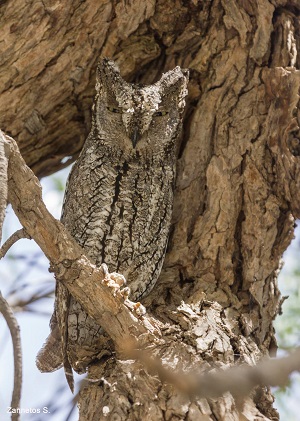 Today we leave Paphos and climb toward the breathtaking Troodos Mountains, ascending toward the 1,900-meter peak of Mount Olympos. Our route takes us through an exceptionally nice, scenic drive showcasing stunning landscapes and rugged mountain vistas. This high-altitude region is dominated by a beautiful coniferous forest of Black and Calabrian pines. Our first stop is the botanical garden at Amiantos, where we can appreciate some of Cyprus’s endemic plant and orchid species while looking for montane birds. Key targets here include the island's endemic cypriotes subspecies of Coal Tit, Cyprus Wheatears, Serins, and the unique glaszneri race of the Eurasian Jay. Next, we will visit the nearby Troodos UNESCO Global Geopark visitor center to learn about the island's fascinating geological origins and unique ecosystems.
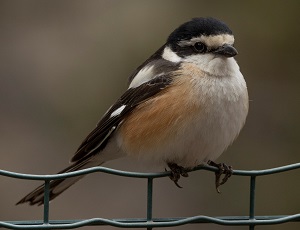
Continuing our exploration, we will stop at the Almirolivado picnic site, an upland bog known as a breeding site for Masked Shrikes. Here, we will also search the pine trunks for the dorotheae subspecies of Short-toed Treecreeper and listen for flocks of Red Crossbills flying overhead. We will finish our mountain excursion in the main square, where you can explore traditional shops or join a walk along a scenic trail to look for Crag Martins, Pallid Swifts, Crossbills, Short-toed Treecreepers, and the nocturnal Cyprus Scops-Owl.
Day 6: Timi, Mavrokolympos & Afternoon at Agia Varvara
We will start our day at first light in the coastal agricultural fields of the Timi area to witness the magic of spring migration. Positioned right on the southern coastline, Cyprus acts as a vital stepping stone for millions of birds traveling from Africa to Europe. The Timi area is a prime first-landfall site for exhausted birds that have flown over the Mediterranean overnight. Depending on the weather and winds, we have an excellent chance of finding freshly dropped-in migrants resting in the fields and low scrub. We will scan the area for an exciting mix of species, which may include Isabelline, Northern, and Eastern Black-eared Wheatears, Greater Short-toed Larks, and flocks of Tawny and Red-throated Pipits. With luck, we might also uncover newly arrived Hoopoes, Wrynecks, or Collared Flycatchers refueling before continuing their journey north.
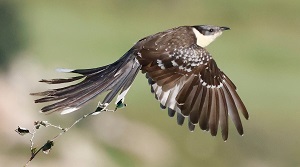
Afterward, we will head to the rugged valley and scrub lands surrounding Mavrokolympos Dam. This is a brilliant location to scan the skies for the powerful Bonelli's Eagle and search the low vegetation for a variety of warblers, including the endemic Cyprus Warbler. In the afternoon, we will head back to the rich habitat of the Agia Varvara soakways. Exploring these 11 manmade pools once again gives us the perfect opportunity to catch up with any elusive crakes, herons, Great Spotted Cuckoo, or Great Reed Warblers in the shifting afternoon light before returning to our hotel.
Day 7 - Departures from Paphos
This morning after breakfast we will transfer Paphos International Airport (PFO) for departures concluding a fantastic week of Mediterranean birding.
Leaders: Stylianos Zannetos and Paul Manning (with 7 or more pax).
 CYPRUS CYPRUSSpecialties of the Eastern Mediterranean April 4 - 10, 2027 Contact [email protected] to reserve your space! Registration Form> TOUR PRICE: US$2895 per person, based on double occupancy and a minimum of 6 persons from Larnaca International Airport (LCA). Note this tour begins in Larnaca and ends in Paphos (Airport code: PFO). Single
supplement: US$495.00 per person based on availability Deposit: $750.00
per person
per tour.
Note:
Tour deposits
can be
paid by
credit
card via
PayPal.
Use this link to
make your credit card payment. Please
advise [email protected]
when you have made payment. Included in cost: All
accommodations,
meals during the tour,
and guide
services
as stated
in the
itinerary,
private
ground
transportation
during
the tour,
and park
entrance
fees. Not included: International flights, tipping for drivers and guides, travel insurance, excess baggage charges, private excursions, à la carte dishes, snacks, drinks, laundry, telephone calls and anything else of a purely personal nature. Also, any and all costs arising from illness or medical issues are not included in the tour cost and are the sole responsibility of the traveler. These include, among others, the costs of medical treatment, hospitalization, medical fees, transport, meals and accommodation in case of illness or quarantine, and the costs of any medical tests needed before, during and after the tour.
Once
the tour is
confirmed to
go ahead, we
will send you
information
about booking
your flights.
**Please
note: Tour prices
are based on
quoted costs
from ground operators
(in their local
currency), estimated
fuel costs, and
the rate of exchange
the time of itinerary
publication.
The erratic nature
to global financial
markets makes
it difficult
to predict changes
in costs and
foreign currency
exchange rates
over the long
term. Since tours
are priced well
in advance of
the actual operation
of the tour,
tour costs, fuel
costs and exchange
rates can change,
sometimes drastically.
Depending on
the extent of
such changes,
it may be necessary
to implement
a surcharge on
this tour. If
a surcharge is
necessary, every
effort will be
made to minimize
the amount. Cancellations
and Refunds:
TRIP INSURANCE: PLEASE NOTE:
|
Phone: 203.453.6724